
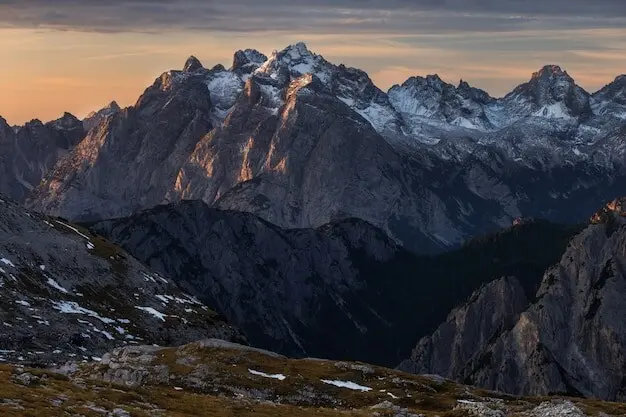
Rivers That Build: Water-Powered Craft in Alpine Valleys
Today we explore Water-Powered Craft Techniques in Alpine Valleys, following swift streams from glacier-fed sources to wooden flumes, wheels, and cleverly arranged workshops. We trace ingenious intakes, precise drops, and the rhythmic labor of mills, forges, and saws. Along the way, you’ll meet caretakers, hear practical wisdom, and discover ways to revive living skills. Share your stories, subscribe for field guides, and help document the quiet innovations that made mountain life resilient.
Reading the Mountain Waters
Before gears and stones can serve any purpose, the valley must read its water. Alpine streams surge with thaw, thin in late summer, and freeze without warning. Craftspeople learned to calm turbulence with modest weirs, raise clean head with careful intakes, and stretch every meter of elevation into patient power. This chapter unpacks local names, silent rituals, and subtle choices that turn a noisy torrent into steady, dependable work.
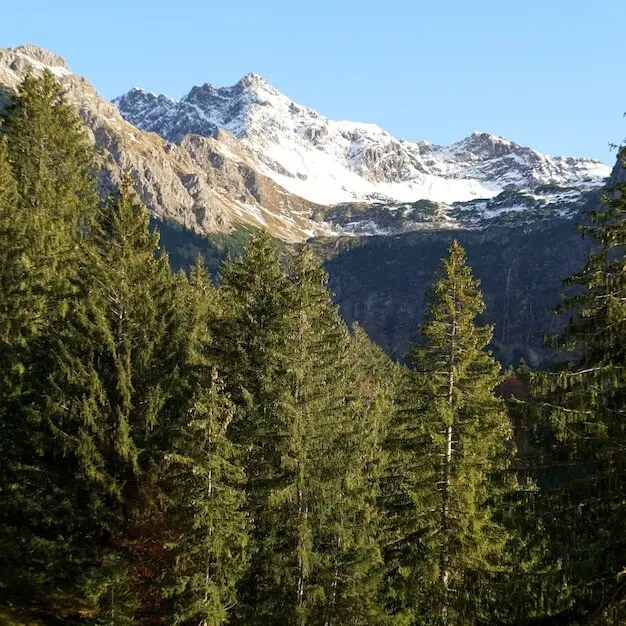
Headrace, Penstock, and the Art of Drop
Securing usable head is an art of small adjustments: a plank higher at the intake, a straighter run toward the wheel, a penstock tight against bedrock to avoid winter damage. In high valleys, every centimeter matters, because more drop means calmer rotation, surer cuts, and finer flour. Millwrights listened to water with poles and boots, balancing flow, pressure, and seasonal silt so crafts kept running when families needed them most.
Bisses, Suonen, and Waalwege
Across Valais and South Tyrol, cliff-hugging channels—bisses, suonen, and waalwege—guided water to fields and workshops. Guardians patrolled these lifelines, patching leaks with moss, hewing replacement staves, and enforcing turn-taking traditions. Their paths were classrooms where children learned slope, shade, and snowmelt timing by feel. Today, restored walks reveal ancient math in wood and stone, proving that shared maintenance can outlast storms and shifting borders when communities agree on care.
Winter Ice and Spring Thaw
Mountain water tests patience. In January, spray freezes bearings; in March, thaw sends gravel that abrades paddles. Old shops answered with shutters, straw wraps, drain taps, and moveable screens. The first safe start after thaw was ceremonial: bells, cautious sluice lifting, and listening for a healthy hum. If the wheel sighed instead of thumped, everyone exhaled. That meant flour by Easter, planks for repairs, and iron tools sharpened before summer work.
Stone Selection and Dressing
Stones matter as much as water. Some valleys prized imported burr for cool, sharp cutting; others relied on local gneiss dressed with crafty furrows. Pattern depth shaped flour warmth and bran behavior, and careful millstone balancing spared bearings. Dressing days mixed geometry with gossip, chalk lines with jokes, and ended with a broom across the grain chute. Sharp stones meant shorter queues, calmer tempers, and loaves that rose despite thin mountain air.
Community Schedules and Tolls
Queues were calendars. Monday evenings for upland oats, midweek for rye, and Saturday for mixed household blends. The toll—measured in modest scoops—repaired flumes and oiled journals. Arguments stayed on benches, not blades. Elders mediated turns during drought, assigning night runs when silence helped hear trouble. Records, scrawled on door beams, tracked favors and winter promises. More than payment, the system bound neighbors, ensuring no child lacked bread when storms closed passes.
From Flour to Festivity
When the first new flour came, ovens brightened and songs returned. Bakers tested crusts against stone heat, grandmothers judged crumb by touch, and children learned patience around cooling racks. Some villages shared loaves during saints’ days, marking survival through another lean season. Because mills stood at the center of these rituals, their upkeep felt joyful, not burdensome. Share your family recipes or heirloom grain stories, and help map the tastes shaped by altitude.
The Venetian Frame Saw
The reciprocating frame saw, often nicknamed Venetian, arrived in valleys where logs were straight and winter demanded planks for roofs and barns. Water turned a wheel, a crank translated spin to stroke, and a carriage fed timber with measured patience. Crews learned grain moods, easing knots before they bit. The rhythm—chuff, shush, chuff—meant progress across snowed-in months. Share your workshop’s jig tweaks or carriage guides that keep cuts true through changing seasons.
Trip-Hammer Forges
Trip hammers transformed streams into blacksmith partners. Cams lifted heavy helves, dropping weight with consistent force that human arms could never repeat for hours. With steady blows, smiths refined blooms, scarfed wagon tires, and set tough edges on tools. Apprentices timed heats to the hammer’s heartbeat, learning color, sound, and smell before measurements. Many forges shared intakes with sawmills, negotiating sluices like neighbors trading sugar. Ironwork here carried echoes of water in every ringing strike.
Designing Waterwheels and Turbines
Choosing the right converter defines everything downstream. Overshot wheels love head and patience; breastshot types forgive seasonal changes; undershot variants accept fast, shallow channels. Later, compact reaction and impulse turbines thrived in steep valleys, pairing small footprints with lively jets. Good design respected fish, winter ice, and silt that chews bearings. Here, builders weigh efficiency against maintainability, remembering that a repairable machine during snow season beats an elegant one buried under drifts.
Wood, Stone, and Iron: Materials and Joinery
Choosing materials in high valleys balanced cost, carry distance, and durability. Larch and spruce resisted wet work; dry-stone weirs settled without mortar; forged fittings tolerated shock and cold. Joinery solved problems nails could not, allowing parts to swell, shrink, and still fit. Success came from respecting each material’s mood in water and frost. This section dives into details that keep flumes tight, frames square, and shafts true when storms test every joint.

Larch and Spruce for Wet Duty
Builders favored larch for flumes and wheel buckets, trusting its resin and patience under spray. Spruce framed roofs and carriages, light yet strong. Joints were scarfed long, pinned with seasoned pegs, and tarred where water lingered. Craftspeople read grain like weather, aligning fibers with force. Offcuts became shims, wedges, and emergency patches. Share experiences choosing boards by ring count, or treating replacement staves so they swell tight by the second sunrise after installation.
Dry-Stone Intakes and Weirs
A good intake survives spates without scouring away. Dry-stone walls flex and drain, stepping water gently while catching coarse gravel before it storms downstream. Builders sorted rocks by palm feel, locked corners, and left quiet weep paths. In winter, trapped ice could expand harmlessly without bursting mortar lines. Each spring, crews relaid the top course and thanked the patient structure beneath. Add your sketches of tyrolean intakes or notes on bedload behavior after thaw.
Forge-Made Fittings
Iron held the moving heart together: gudgeons seated in hardwood, hoops cinching wheel rims, straps calming rebellious timbers. Blacksmiths tuned hardness for cold, knowing brittle parts fail when spray turns to needles. Rivets were struck with two hammers singing together, peened exactly flush. When a pin wore oval, the smith swaged it true and filed a storyteller’s notch. Photograph the original straps in your valley shop, and help document dimensions before another winter takes them.
The Millers’ Bells and Night Runs
When storms lifted flows, millers lit lanterns and ran at night. Bells on shafts warned if bearings warmed or belts wandered. Neighbors brought bread, tightened bolts, and told long stories until the rhythm steadied. These sprints refilled pantries and spirits. If your family recalls a bell’s voice or a midnight repair on a snow-powdered sill, share it. Such details teach future crews what instruments and instincts matter when floodwater both helps and threatens.
Garde des Bisses and Community Care
Channel guardians patrolled cliff paths with axes and quiet courage, clearing slides and easing fear. Their authority came from responsibility, not uniforms. Workdays were social contracts: everyone showed up because everyone drank and milled from the same line. Fines existed, but pride worked better. Reviving this model today could fund maintenance, training, and youth apprenticeships. Tell us how your valley organizes stewardship, or what incentives made volunteer days feel like celebration rather than chore.
All Rights Reserved.